What Is a Mortise Lock and Why Does It Matter on Staten Island Exterior Doors
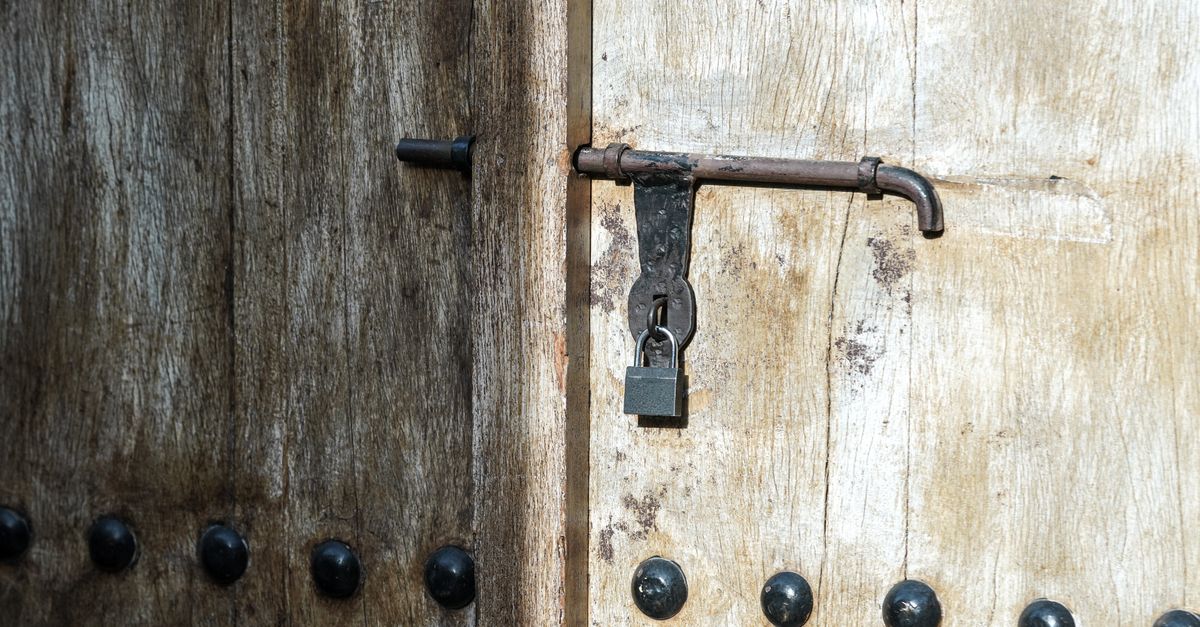
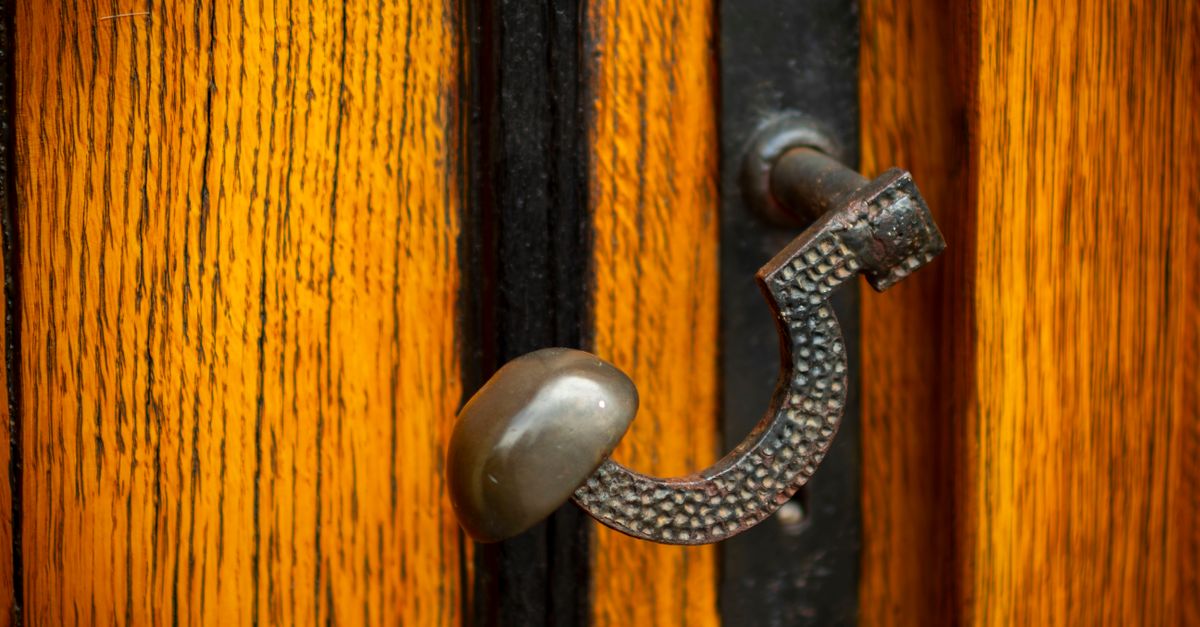
A mortise lock differs fundamentally from a rim lock or a cylindrical deadbolt in that the lock case itself is recessed flush into the door body. Inside that case you will typically find a latchbolt, a deadbolt, a cam mechanism, and a series of levers or pins that all work in concert. Because the hardware is encased in the door rather than surface-mounted, it resists kick-in and pry attacks far more effectively — a meaningful advantage on the exposed front doors of Staten Island's older two- and three-family homes, where original entry hardware is sometimes decades old. A quality mortise lock set on an exterior door also allows the homeowner to combine a keyed cylinder with a thumb-turn interior release, a lever or knob handle, and in modern setups even a smart mortise lock module that adds keypad or app-based access without sacrificing the structural integrity of the mortise body itself.
Understanding what is a mortise lock helps homeowners make smarter decisions when something goes wrong. A stiff latch is often a sign that the lock body's internal springs have fatigued — a repair job. A cylinder that spins freely without moving the cam almost always means the tailpiece connection has sheared — a targeted fix rather than a full replacement. Corrosion in the cam housing, common in waterfront neighborhoods like Mariners Harbor and Rosebank where humidity and salt air accelerate metal fatigue, typically calls for a new lock body. Our technicians diagnose the actual root cause before recommending any work, so you never pay for a full replacement when a mortise lock cylinder swap will solve the problem.